There is something special about the first crisp days of fall. I love the way the kitchen fills with the warm scent of cinnamon, butter, and baked treats while a cool breeze comes through the window. Those simple moments remind me that the best recipes do not need complicated techniques. Instead, they need familiar flavors, a little patience, and the joy of sharing something homemade.
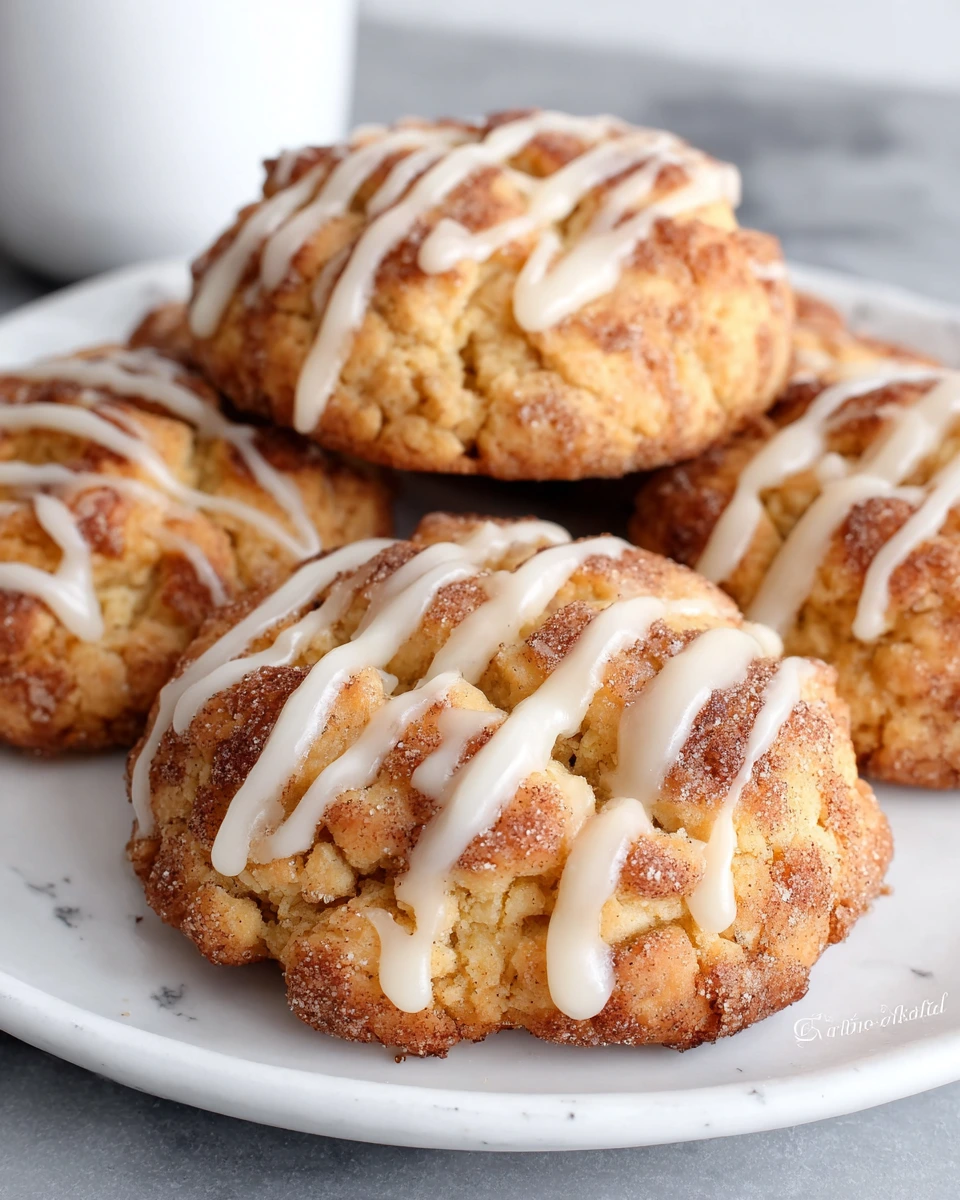
That feeling inspired these Apple Cider Cookies. They capture the flavor of a classic apple cider donut and turn it into a soft, chewy cookie with several delicious layers. First, the dough gets rich flavor from browned butter and reduced apple cider. Then, each baked cookie gets brushed with apple cider butter and coated in cinnamon sugar. Finally, a smooth apple cider glaze adds a sweet finishing touch.
The result tastes wonderfully familiar while still feeling special enough for a fall gathering. So, if you love apple cider donuts, cinnamon sugar, and tender homemade cookies, this recipe deserves a place on your autumn baking list.
Overview of Apple Cider Cookies
These Apple Cider Cookies combine concentrated apple cider, browned butter, warm spices, and brown sugar to create a tender cookie with plenty of fall character. The dough includes both a whole egg and an egg yolk, which helps create the soft and chewy texture that makes these cookies so enjoyable.
The flavor develops in stages. Reduced apple cider brings a concentrated apple note, while browned butter adds a nutty depth. Meanwhile, apple pie spice or pumpkin spice adds warmth. After baking, the apple cider butter helps the cinnamon sugar cling to the cookies, while the glaze adds another layer of sweetness.
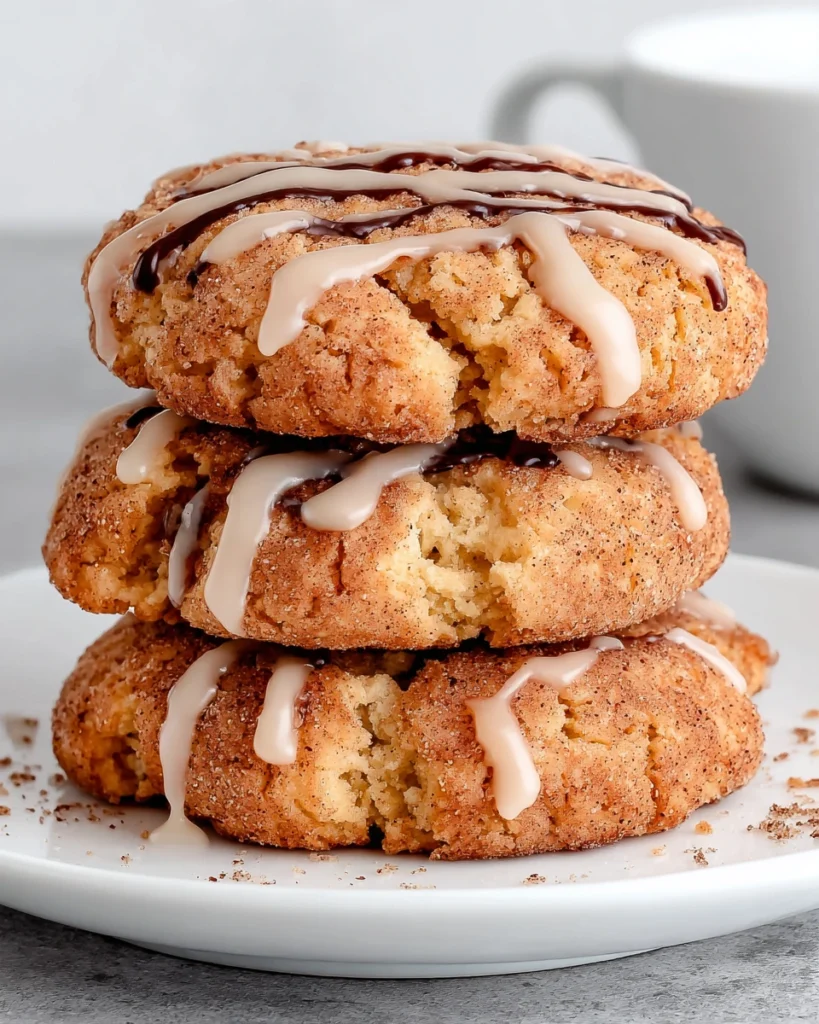
The texture also makes these cookies stand out. The edges set during baking, while the centers remain slightly puffed and chewy. Therefore, each bite delivers a soft interior with a delicate cinnamon sugar coating.
These cookies also work well for fall parties, holiday dessert trays, weekend baking, and casual afternoons with coffee or tea. Since you can store them at room temperature for up to five days, they also make a practical make-ahead dessert.
Ingredients for Apple Cider Cookies
For the Apple Cider Cookies, you will need 2 cups of apple cider, 20 tablespoons of unsalted butter, 2½ cups of all-purpose flour, 2 teaspoons of apple pie spice or pumpkin spice, 1 teaspoon of cornstarch, 1 teaspoon of baking powder, ¼ teaspoon of baking soda, ½ teaspoon of salt, 1¼ cups of light brown sugar, ¼ cup of granulated sugar, 1 large room-temperature egg, 1 large room-temperature egg yolk, and 1 teaspoon of vanilla extract.
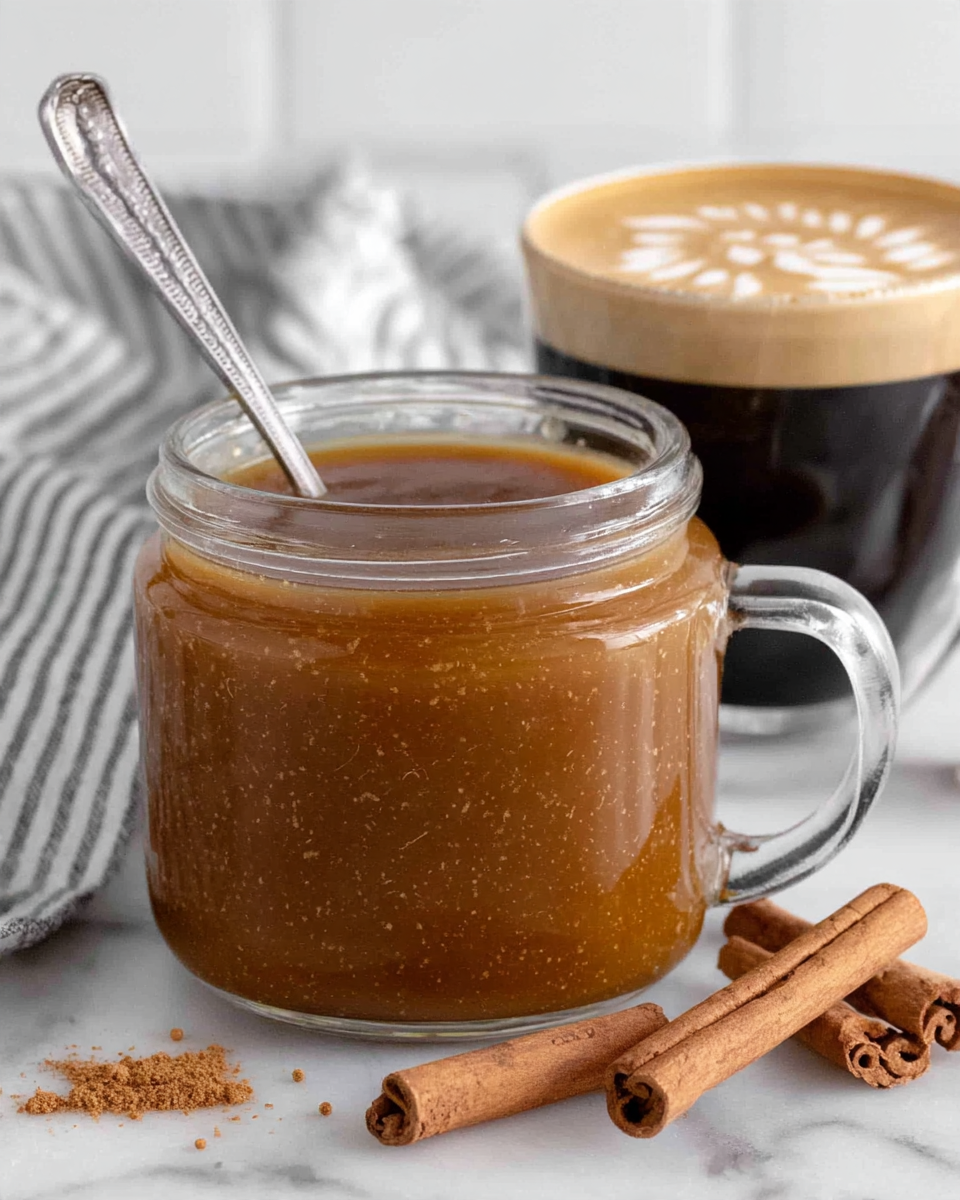
For the apple cider butter, prepare 4 tablespoons of melted unsalted butter and 2 tablespoons of apple cider that has not been reduced.
For the cinnamon sugar, combine ¾ cup of granulated sugar with 2 teaspoons of ground cinnamon or your preferred spice blend.
For the apple cider glaze, use 1 cup of powdered sugar, ½ teaspoon of vanilla extract, and 1 to 2 tablespoons of unreduced apple cider.
Necessary Tools for Preparation
You will need two small saucepans because the recipe requires separate processes for reducing the apple cider and browning the butter. You will also need four mixing bowls, a whisk, a spatula or spoon, two baking sheets, and parchment paper.
A medium cookie scoop that holds about 2 tablespoons or 30 ml will help you portion the dough evenly. Consistent portions help the cookies bake at the same rate, so this small tool can make the process much easier.
You should also keep a cooling rack nearby. The rack allows air to circulate around the baked cookies while they cool, which helps prevent excess moisture from collecting underneath them.
Ingredient Additions and Substitutions
- Apple cider: You can replace the cider with unsweetened apple juice if necessary. However, the recipe notes that the spiced apple flavor will become less pronounced. Unsweetened, unpasteurized apple juice provides a similar viscosity.
- Brown butter: If you prefer to skip browning the butter, use 1 cup, or 226 g, of melted butter. Cool it in the refrigerator for 15 to 20 minutes before adding it to the dough.
- Apple pie spice: Pumpkin spice works as a direct alternative and keeps the warm seasonal flavor.
- Cinnamon: Use a favorite spice blend instead of plain ground cinnamon for a slightly different coating.
- Vanilla: Keep the vanilla in both the dough and glaze when possible because it rounds out the sweet, spiced flavor.
- Flour: Stick with all-purpose flour for the texture described in the original recipe. Changing the flour can alter the consistency of the dough.
- Butter: Unsalted butter gives you better control over the salt level in the finished cookies.
Step-by-Step Instructions
Step 1: Pour the apple cider into a small saucepan. Heat it over medium-high heat until it reaches a gentle boil or simmer. Continue cooking until the cider reduces from 2 cups to ¼ cup. This process takes about 15 to 20 minutes. Remove the saucepan from the heat, transfer the reduced cider to a small bowl or measuring cup, and let it cool to room temperature.
Step 2: Place the butter in another saucepan or pot over low heat. Let it melt and begin to foam. Once the foam develops, whisk or stir the butter frequently. Continue cooking until the foam subsides and lightly toasted brown bits appear at the bottom. The butter should smell nutty and fragrant. Transfer the brown butter to a heat-safe bowl and let it cool at room temperature for about 15 minutes. Then refrigerate it for another 15 minutes.
Step 3: While the butter cools, whisk together the all-purpose flour, apple pie spice or pumpkin spice, cornstarch, baking powder, baking soda, and salt in a mixing bowl. Make sure the dry ingredients combine evenly before adding them to the wet mixture.
Step 4: In a large mixing bowl, whisk the cooled brown butter with the light brown sugar and granulated sugar until well combined.
Step 5: Add the egg and egg yolk, then whisk until smooth. Next, add the reduced apple cider and vanilla extract. Continue whisking until the mixture looks evenly combined.
Step 6: Gradually stir the dry ingredients into the wet mixture. Add about half of the dry mixture at a time and stir gently. Stop mixing as soon as the ingredients come together. Overmixing can affect the final texture.
Step 7: Let the dough rest while the oven preheats. Heat the oven to 375°F, or 190°C, for about 30 minutes. Line the baking sheets with parchment paper.
Step 8: Use a medium cookie scoop to portion the dough into balls of about 2 tablespoons each. Place the portions on the prepared baking sheets, leaving about 3 inches, or 8 cm, between each cookie.
Step 9: Bake the cookies at 375°F, or 190°C, for 9 to 11 minutes. Look for set edges and centers that remain slightly puffed. Avoid baking the cookies until the centers look completely firm because they will continue cooking as they cool.
Step 10: Let the cookies cool on the baking sheet for 5 minutes. Then transfer them to a cooling rack and let them cool completely to room temperature.
Step 11: While the cookies cool, prepare the apple cider butter. Whisk the melted butter and unreduced apple cider together in a bowl until well combined. In another bowl, whisk the granulated sugar and cinnamon together.
Step 12: Brush the top and sides of one cooled cookie with the apple cider butter. Immediately press the buttered side into the cinnamon sugar. Flip the cookie so the coated side faces upward, then coat the bottom with the cinnamon sugar. Transfer the cookie back to the cooling rack. Repeat with the remaining cookies.
Step 13: Make the glaze by whisking the powdered sugar, vanilla extract, and 1 tablespoon of apple cider together. Add the remaining tablespoon of cider if needed to reach your preferred consistency. If the glaze becomes too thin, add a little more powdered sugar.
Step 14: Drizzle the apple cider glaze over each cookie. Let the glaze settle briefly, then serve and enjoy.
Tips for Making Apple Cider Cookies
Start with the cider reduction because it needs time to cool before you add it to the dough. Furthermore, reducing the cider concentrates its flavor, so do not skip this step if you want the strongest apple note.
Watch the butter carefully while it browns. Butter can move from lightly toasted to overly dark quickly. Stirring frequently helps distribute the heat and allows you to see the toasted milk solids developing at the bottom of the pan.
Let the brown butter cool before mixing the dough. If you add very hot butter to the eggs and other ingredients, you can change the consistency of the mixture.
Room-temperature eggs also help the wet ingredients combine smoothly. Therefore, take the egg and egg yolk out of the refrigerator before you start preparing the dough.
Do not overmix after adding the flour. Stir only until the dry ingredients disappear into the wet mixture. This approach helps preserve the tender texture.
Give the dough its full resting time while the oven preheats. Meanwhile, prepare your baking sheets and parchment paper so you can portion the dough efficiently.
Keep the cookies spaced about 3 inches apart. This gives them room to spread without running into one another.
Most importantly, watch the centers during baking. The edges should look set, but the centers should remain slightly puffed. As the cookies cool, they will continue to firm up while keeping their chewy texture.
Finally, coat each cookie with the cinnamon sugar while the apple cider butter remains fresh and tacky. The coating will adhere better when you work immediately after brushing.
Storage Instructions
Store the finished Apple Cider Cookies in an airtight container at room temperature. According to the supplied recipe, they will keep for up to five days.
For longer storage, freeze the cookies. Freezing provides a practical option when you want to prepare them ahead of a gathering or preserve a batch for later.
When you plan to serve frozen cookies, allow them to thaw before serving. Because the recipe includes a glaze and cinnamon sugar coating, handle the cookies gently after thawing to preserve their finished appearance.
General Information About Apple Cider Cookies
Apple cider and cinnamon have long worked together in fall baking, particularly in recipes inspired by apple cider donuts. This cookie recipe takes that familiar combination and changes the format without losing the flavors people associate with autumn.
Apple cider donuts typically feature a tender, cake-like or fried texture with cinnamon sugar on the outside. These cookies bring similar flavor cues to the table through reduced cider, warm spices, butter, and a cinnamon sugar coating.
The use of browned butter adds another interesting element. Browning butter cooks the milk solids until they develop a toasted, nutty aroma. As a result, the butter contributes more depth than plain melted butter.
The cider reduction also plays an important role. Starting with 2 cups of cider and reducing it to ¼ cup concentrates the liquid, allowing the apple flavor to stand out in the cookie dough.
The finishing process makes these cookies especially distinctive. Instead of simply mixing cinnamon into the dough, the recipe coats the baked cookies with apple cider butter and cinnamon sugar. Then, the apple cider glaze adds a final sweet layer.
FAQs
Can I make Apple Cider Cookies without browning the butter?
Yes. The supplied recipe provides a shortcut for this step. Use 1 cup, or 226 g, of melted butter instead, then cool it in the refrigerator for 15 to 20 minutes before using it in the dough. Browning the butter adds a nutty flavor, but the shortcut can save preparation time.
Can I use apple juice instead of apple cider?
Yes. You can substitute unsweetened apple juice for the cider. However, the recipe notes that the overall spiced flavor will become somewhat lighter. Unsweetened, unpasteurized apple juice provides a similar viscosity to apple cider.
Why do I need to reduce the apple cider?
Reducing the cider concentrates its flavor. The recipe starts with 2 cups and cooks it down to ¼ cup, creating a stronger apple flavor without adding a large amount of liquid to the dough.
How do I keep the cookies soft and chewy?
Bake the cookies until the edges set while the centers remain slightly puffed. Then let them cool on the baking sheet for five minutes before transferring them to a rack. Avoid overbaking because the cookies continue to set as they cool.
Conclusion
These Apple Cider Cookies bring the best parts of a classic fall apple cider donut into a soft, chewy cookie. Browned butter adds depth, reduced apple cider provides concentrated flavor, and warm spices create the familiar taste of autumn. Then, the apple cider butter and cinnamon sugar coating add another layer of texture and sweetness, while the glaze finishes each cookie beautifully.
Although the recipe involves several components, each one contributes something important. The cider reduction builds flavor, the brown butter adds richness, and the finishing layers transform a simple cookie into a memorable seasonal dessert.
So, gather your apple cider, warm spices, and butter, and make a batch for your next fall gathering. These cookies also make a lovely homemade treat for sharing with family and friends.
If you enjoyed this recipe and want even more delicious inspiration, follow me on Pinterest: https://www.pinterest.com/AngelinaCooking/